


















How We Help Home & Garden Brands Grow
Home & Garden
Social Media & Influencer Marketing
 for Home & Garden Brands
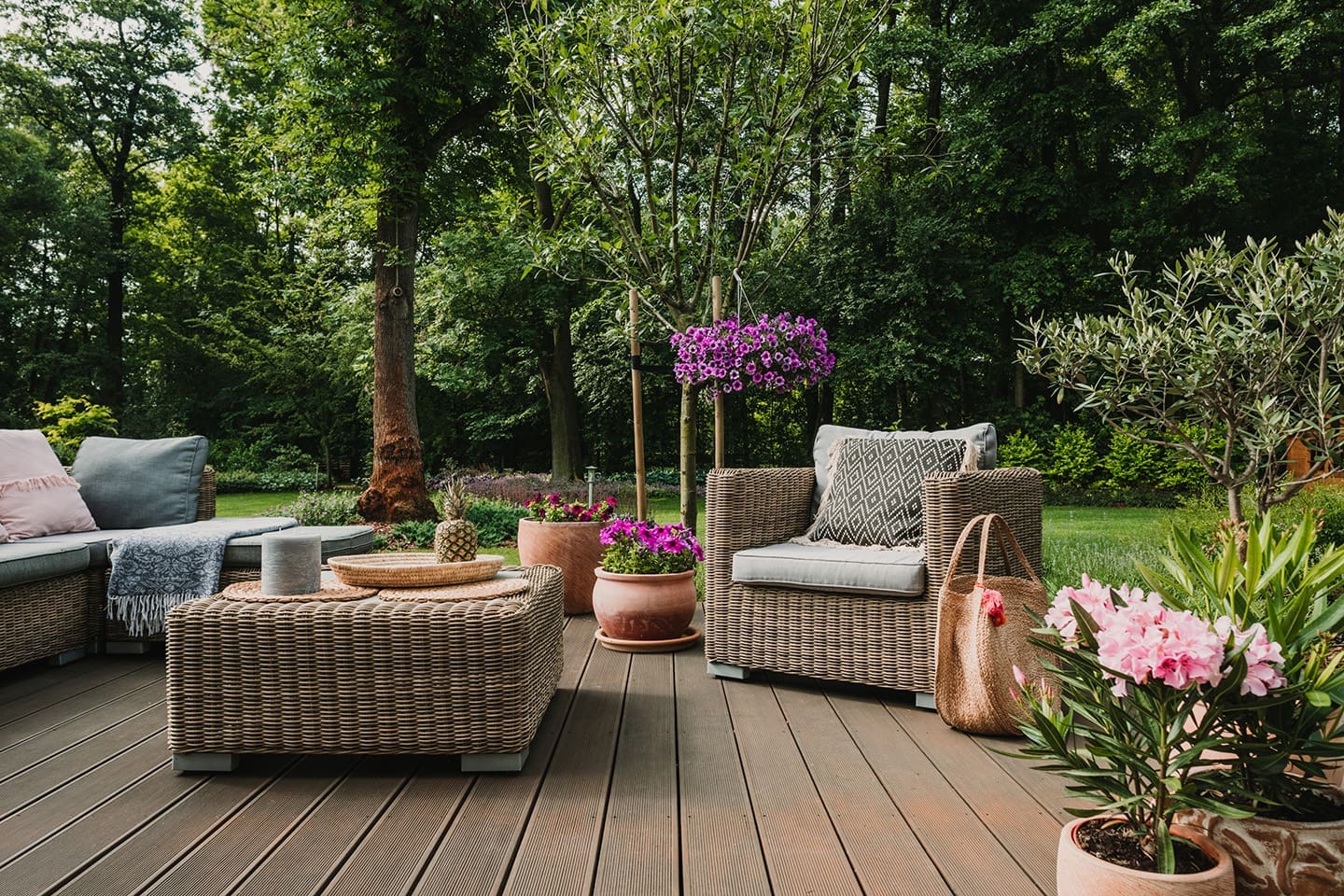
Home and garden products come to life when consumers can see how they look, work, and fit into real spaces. Joybyte helps home and garden brands turn those moments into social media and influencer marketing strategies that showcase products, inspire discovery, and build audience engagement.
From home organization and DIY projects to product demonstrations and lifestyle content, we help brands create useful, visually engaging social experiences that connect products with the people and spaces they’re designed for.
Creator-Led Marketing for Home & Garden Brands
Whether promoting seasonal collections, launching new products, or strengthening long-term brand visibility, we help home and garden brands create social ecosystems designed to inspire engagement and drive discovery.
Home and garden purchases are often highly visual and consideration-driven. Consumers want to see products in real environments, understand how they work, and imagine how they could improve their own homes, gardens, and everyday routines.
Creator content helps bridge inspiration and practical decision-making through demonstrations, transformations, tutorials, project ideas, and real-world product experiences that give audiences more ways to discover and evaluate a brand.


Our services support:
- Creator partnerships and product seeding
- TikTok Shop affiliate campaigns
- Organic social media management
- Lifestyle content strategy
- Community engagement
- Product education and demonstrations
- Social commerce support

Home & Garden Marketing in Action
Featured Case Study: Levoit
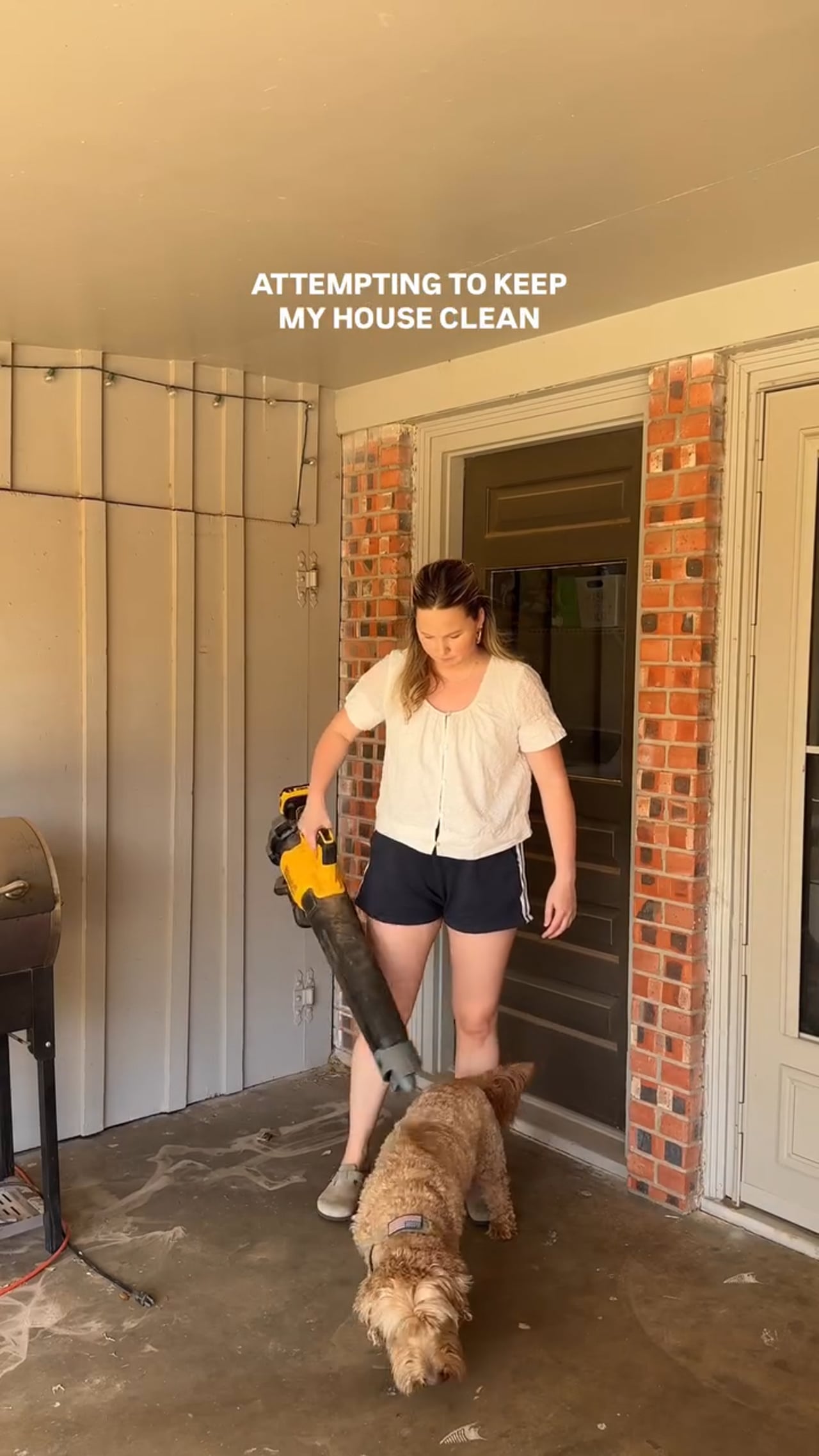
Levoit: Turning Everyday Products Into Cultural Relevance
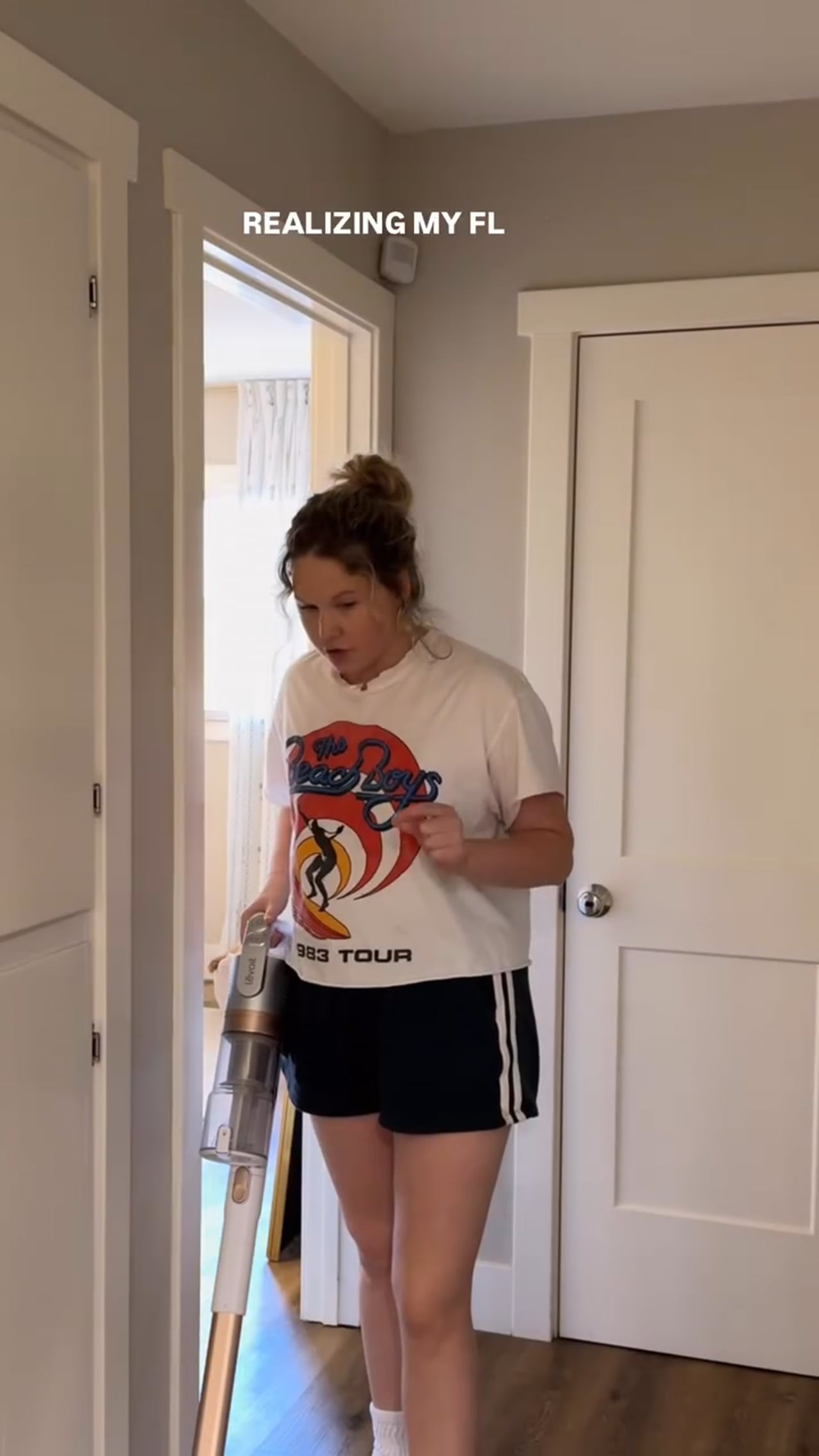
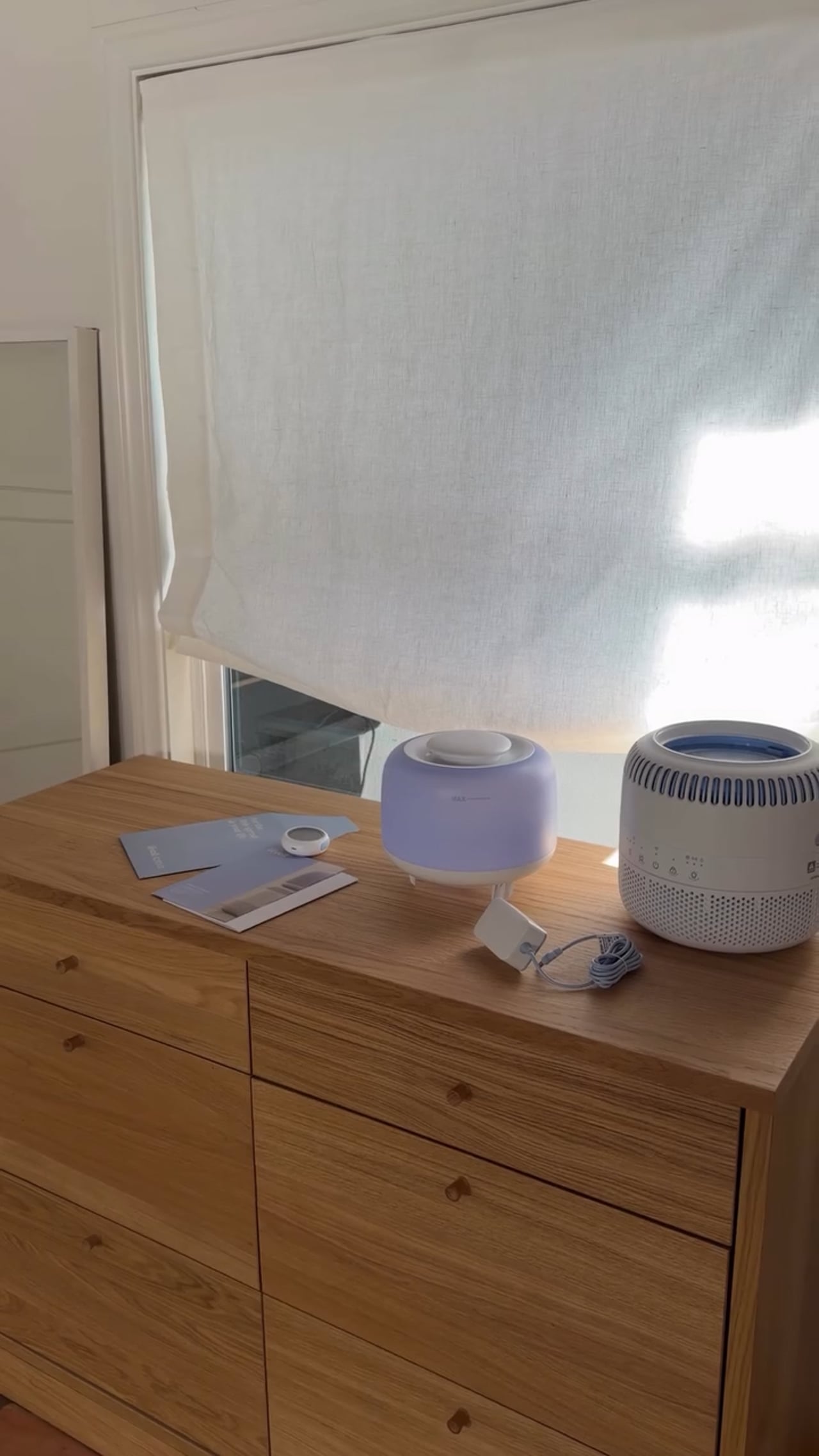
As Levoit expanded its portfolio of home wellness products, the opportunity extended beyond increasing creator activity—it was finding a cultural narrative that could make everyday appliances feel aspirational. Joybyte partnered with the brand to build a creator-led growth strategy that prioritized authentic lifestyle storytelling over traditional product promotion. By continuously analyzing creator performance and audience behavior, the team uncovered scalable content themes that strengthened brand relevance, generated a high-performing library of creative assets, and transformed influencer marketing into a repeatable engine for awareness, engagement, and revenue.
Results

-
375
Creators
-
1100
Creator Assets
-
3400
Conversions
-
100K
Follower Growth
-
18M
Impressions




Home & Garden Marketing FAQs
How does influencer marketing work for home and garden brands?
Influencer marketing helps home and garden brands show products in real spaces, routines, and projects. Creators can take consumers beyond product features by demonstrating how an item looks, works, and fits into everyday life—from room transformations and DIY projects to gardening routines and product comparisons.
The strongest programs use creators continuously, generating both content and audience signals that reveal which products, benefits, use cases, and creative approaches resonate. Those learnings can then inform organic social, paid media, e-commerce, and broader creative strategy.
What types of content work best for home and garden brands?
Visual, demonstration-led content is especially valuable for home and garden brands because consumers often want to see the product in action or understand its impact before purchasing. Before-and-afters, transformations, tutorials, DIY projects, product demonstrations, styling inspiration, seasonal content, and problem-solution videos can all create compelling reasons to engage.
Rather than relying on one creative formula, brands should continually test formats, hooks, creators, and use cases. Creator content can reveal which concepts, language, visuals, and formats audiences respond to – giving brands evidence for what to scale next.
How can creators demonstrate home and garden products?
Creators can make product benefits tangible by showing products being assembled, installed, styled, tested, or used within a real home or outdoor space. They can also document a project from start to finish, compare outcomes, answer common questions, or show how a product solves a specific everyday problem.
This real-world context creates both education and social proof. Instead of asking consumers to imagine the product experience from brand messaging alone, creators can show them what ownership and use actually look like.
How can home and garden brands use TikTok Shop?
Home and garden brands can use TikTok Shop to connect product discovery, creator demonstrations, and purchasing within the same ecosystem. Affiliates can create shoppable tutorials, transformations, demonstrations, and problem-solution content that gives consumers a reason to buy while generating signals around which products and messages resonate.
As those signals build, brands can identify winning creators and content, refine their product and offer strategy, and use paid media to amplify proven performance. TikTok Shop can also generate demand that is ultimately captured through Amazon, DTC, retail, or other channels, making its impact larger than in-app sales alone.
How do you measure social media and influencer marketing for home and garden brands?
Measurement should consider both immediate performance and the broader contribution creators and social content make to demand. Depending on the program, brands can track reach, engagement, saves, shares, clicks, conversions, affiliate sales, TikTok Shop GMV, audience sentiment, and creative performance.
Brands should also monitor downstream signals such as branded search, Amazon performance, DTC traffic and conversion, paid media performance, and overall sales trends. Because consumers may discover or research a product through social and purchase it elsewhere, measuring only directly attributed conversions can miss the larger impact of creator-led demand.