CPG is built around a difficult question: when consumers suddenly become obsessed with an ingredient, flavor, format, or ritual, is the brand looking at a temporary cultural moment—or the beginning of a durable behavior?
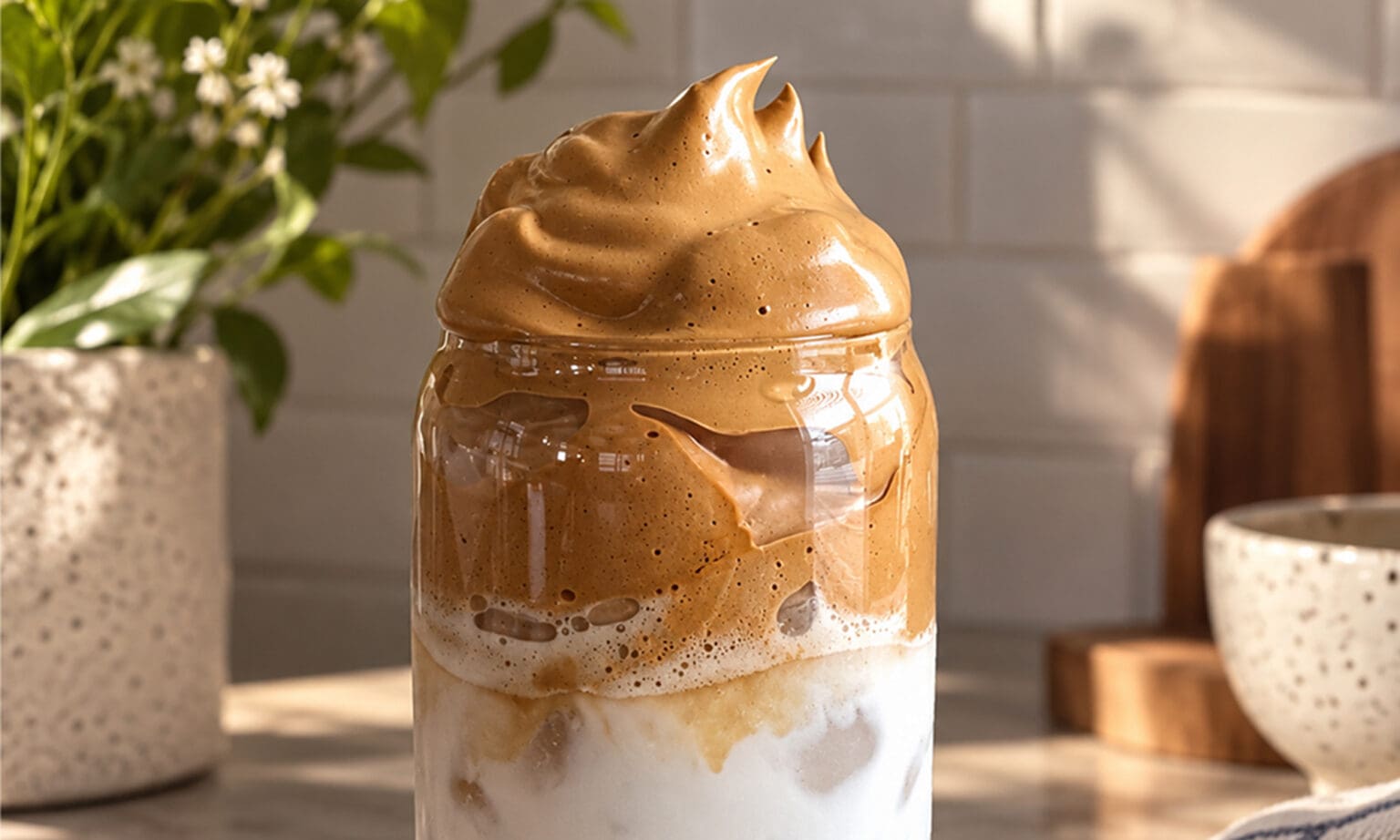
Whipped coffee is a useful case study. During the early days of COVID lockdowns, it became a highly visual, highly participatory ritual that people could easily recreate and share. The behavior spread because it gave consumers something to do together while physically apart. But as the novelty faded and participation became commonplace, whipped coffee disappeared from feeds almost as quickly as it had arrived. The desire underneath it, however, didn’t disappear. Consumers kept looking for beverages that could deliver ritual, participation, identity, and shareability in new forms.
That distinction matters for CPG brands because a viral food moment and a lasting consumer behavior can look remarkably similar at the beginning. Both can create spikes in conversation, creator content, search, trial, and purchase. The difference becomes clearer when brands stop measuring only how quickly the trend is spreading and start paying attention to why consumers keep coming back.
Whipped Coffee Was a Ritual Before It Was a Recipe
Whipped coffee was perfectly suited to its cultural moment. It was visual, replicable, and gave people a small activity they could participate in and share during a period when shared experiences were limited. Its appeal went beyond the drink itself; the act of making it was part of the product.
That is an important distinction for CPG marketers. Sometimes the behavior surrounding a product carries more cultural value than the product itself. Mixing it, styling it, customizing it, filming it, or participating in a shared ritual can become part of why consumers care.
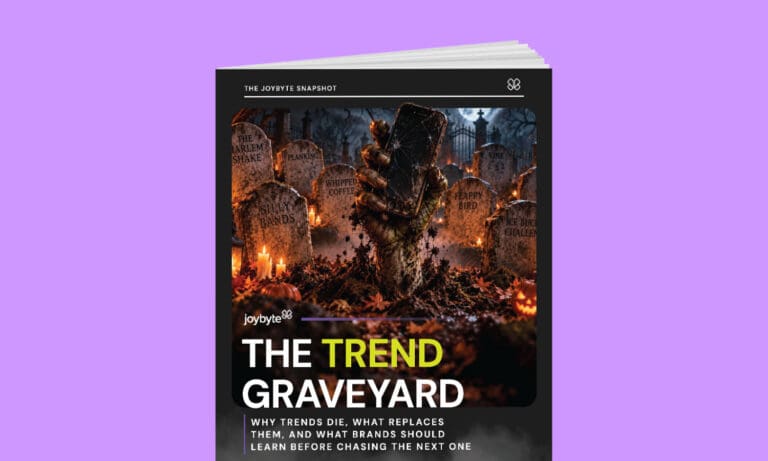
But participation-driven trends have a natural vulnerability: novelty decays. Once everyone has made the recipe, watched the video, or seen countless versions of the same format, participation no longer delivers the same cultural reward. In The Trend Graveyard, whipped coffee represents this dynamic clearly. The expression faded, but the underlying desire for participation persisted and moved into other shareable beverage cultures, including iced coffee and matcha.
Matcha Is More Interesting Than the Matcha Trend
Today, matcha culture gives CPG brands another behavior worth watching. The Trend Graveyard identifies matcha as a current listening hypothesis rather than a prediction: its cultural appeal connects wellness with aesthetic ritual, while growing oversaturation could create pressure for consumers to seek out new functional drinks and rituals.
That distinction is important. The strategic question isn’t simply whether matcha is “in” or when it will be “out.” The better question is what consumers are getting from the behavior.
A product can become part of someone’s routine because it tastes good or meets a functional need. But the surrounding ritual can give it additional cultural meaning. The preparation, glassware, color, customization, café experience, creator content, and ability to make the experience one’s own can all become part of the behavior consumers participate in.
For CPG brands, that means the opportunity isn’t necessarily to launch something green because matcha is popular. It is to understand what the popularity of matcha may be revealing about the consumer.
Virality Gets Trial. Habit Requires Something More.
One of the biggest traps in CPG is confusing visibility with durability. A food or beverage can appear everywhere without becoming embedded in consumers’ lives. High participation can even accelerate saturation: as the format becomes increasingly recognizable and brands flood into the conversation, the novelty that initially fueled participation can begin to disappear.
Our latest white paper describes a broader cycle of discovery → participation → scale → saturation → replacement. For CPG brands, the critical question is what survives that cycle.
If consumers only care about recreating a viral format, demand may disappear when the format does. But if the product becomes attached to a deeper motivation or repeatable ritual, there may be something more durable underneath the trend. The cultural expression can still change—the recipe, ingredient, packaging, preparation method, or platform may evolve—but the consumer continues searching for ways to satisfy the same need.
This is the difference between chasing the product everyone is posting and understanding the behavior consumers are building around it.
CPG Brands Need to Find the Need Underneath the Ingredient
This is where Joybyte’s Replacement Effect becomes useful. The framework follows a simple progression: human need, cultural expression, adoption, saturation, and replacement. The visible expression changes, while the underlying motivation can persist.
For CPG, that means brands should be careful about treating an ingredient as the insight. Matcha is an ingredient. Protein is an ingredient and nutritional proposition. Whipped coffee was a recipe. None of those things, by themselves, explain why consumers decide to participate.
The more valuable learning sits underneath the behavior. Consumers may be looking for participation, wellness, control, identity, comfort, escape, or a ritual they can make their own. Understanding that motivation gives brands more strategic room than simply identifying which flavor or ingredient is currently trending.
It also changes the question from “Should we launch a matcha product?” to “What is matcha culture teaching us about the behaviors consumers want from this category?”
That is a much more useful question for innovation, positioning, creator strategy, and growth.
Creators Can Show You the Difference Between Hype and Behavior
For CPG brands, creators provide an important window into whether a product is simply generating attention or beginning to develop a life beyond the original trend.
Across enough creator activity, brands can watch for repeating behaviors rather than isolated viral posts. What language keeps appearing? What questions are consumers asking? How are people customizing the product? What are they pairing it with? Are new use cases emerging? Is the behavior being imitated? Are consumers searching, sharing, saving, and buying?
Those are the kinds of signals The Trend Graveyard recommends brands examine when decoding a trend. Creators can surface the language, products, questions, frustrations, jokes, and behaviors moving through communities before those patterns become obvious at scale.
This is why creator investment should do more than generate awareness for CPG brands. A sufficiently active creator ecosystem can become a learning engine. It gives the brand more opportunities to see how consumers interpret the product, what resonates without being scripted, and which behaviors recur strongly enough to deserve further testing.
Instead of using creators only to manufacture a moment, brands can use creator signals to determine whether there is something worth building beyond the moment.
The Opportunity Isn’t Finding the Next Matcha
Eventually, today’s dominant food and beverage aesthetics will change. Some ingredients will stay. Others will lose cultural relevance. New rituals, products, and functional benefits will take their place.
Trying to perfectly predict which one wins next is the wrong game.
For CPG brands, the bigger opportunity is building a system that can distinguish between a temporary expression and an enduring consumer motivation. That requires continuous observation, creator testing, audience response, and a willingness to carry those learnings into product, creative, paid media, commerce, and the next creator brief.
Whipped coffee didn’t mean consumers would want whipped coffee forever. Its rise revealed something about participation and shared ritual. Matcha shouldn’t automatically be interpreted as evidence that consumers will want matcha forever, either. The more valuable question is what its popularity is telling us about wellness, ritual, identity, and the behaviors consumers may carry forward even when the ingredient of the moment changes.
For CPG brands, that’s the difference between reacting to culture and actually learning from it.
Dig Deeper Into The Trend Graveyard
Whipped Coffee and Matcha are only part of the story. In the white paper, Joybyte examines why cultural behaviors take off, what pushes them toward saturation, and why the human needs underneath them often survive long after the original trend fades. The full report breaks down Whipped Coffee alongside VSCO Girl, Cottagecore, BeReal, and Tiny Luxury Bags, explores current behaviors worth watching, and introduces a framework brands can use to separate meaningful cultural signals from short-lived noise.
Download The Trend Graveyard to learn how to look beyond what’s trending today—and build a system for understanding what consumers may carry into tomorrow.