

What Worked, What Surprised Us, and What Brands Need to Rethink for 2027
For a long time, brands treated creators like the last stop in the marketing process. The strategy was set, the messaging was approved, the campaign was built, and then creators were brought in to help get it in front of people.
That approach isn’t necessarily dead, but it’s getting harder to defend when the people creating the content often understand the audience better than the people writing the brief.
What stood out to us in 2026 wasn’t just how much creator marketing continued to grow. It was how often the market showed us something we wouldn’t have predicted on our own. An air purifier found its way into an unexpected cultural conversation. Mosquito control became a legitimate social commerce opportunity. Brands that had spent years building familiarity through creators were better positioned to turn that attention into sales.
And in other cases, the challenge wasn’t getting attention at all. It was figuring out what to do when the attention actually showed up.
That’s the part of creator-led growth I think deserves more conversation. We spend a lot of time talking about reach, engagement, content volume, and GMV. Those things matter, but they don’t always tell you what made something work or whether the brand can do it again.
The more interesting questions are what consumers are telling us, what we’re learning from the content, and whether those insights are changing the decisions we make.
We saw enough across our client work to challenge some long-held assumptions about which products can win, what creators are really contributing, and how brands should think about growth.
Here are five things that stood out.
01. Sometimes the Audience Has a Better Idea
Brands spend months refining positioning, debating messaging, and deciding exactly how a product should show up in the market. There’s a reason for that work, but there’s also a limit to how much you can figure out from inside the brand.
Creators are closer to the conversations happening around a product category. They understand the language people use, the routines they’re building, and the cultural references that make something feel relevant. When you give them enough room to interpret a product in their own way, you sometimes find an angle that wasn’t on anyone’s radar.
That doesn’t mean handing over your brand strategy and hoping for the best. It means recognizing that your original brief is a starting point, not necessarily the final answer.
Levoit: Finding Relevance Where We Didn’t Expect It
For Levoit, Joybyte activated a diverse group of creators to explore how home appliances fit into everyday routines and lifestyles. One of the more interesting discoveries was the connection to the “clean boy” aesthetic, where home care became part of a broader conversation around wellness, personal identity, and how people want to live. Across 375 creators, the program generated 1,100 assets and 18 million impressions. What made the work interesting wasn’t just the reach; it was discovering a new way for consumers to connect with the product.

What Stuck With Us
The Levoit example is a reminder that consumers don’t always organize products into the same categories brands do. A brand may see an air purifier as a functional home appliance, while a consumer sees it as part of creating a space that feels cleaner, healthier, or more aligned with their lifestyle.
That difference matters because it can change who you’re talking to, what you say, and where you invest.
I think brands sometimes get so focused on controlling the message that they miss the opportunity to discover a better one. The challenge is knowing when to hold onto your positioning and when to pay attention because the audience is showing you something new.
02. People Don’t Buy the First Time They Hear About You
TikTok Shop has made it incredibly easy to move from discovery to purchase, but I think that convenience has also created a misconception: that the content driving the transaction is responsible for creating all the demand.
Sometimes it is. A great demonstration, a compelling offer, and the right creator can absolutely drive an immediate purchase. But plenty of consumers need to encounter a product multiple times before they’re ready to buy.
They see it in someone’s routine, hear another person recommend it, recognize the brand in a different context, and eventually reach a point where buying feels like a natural next step. That’s why I don’t think brands can afford to treat awareness and conversion as completely separate conversations.
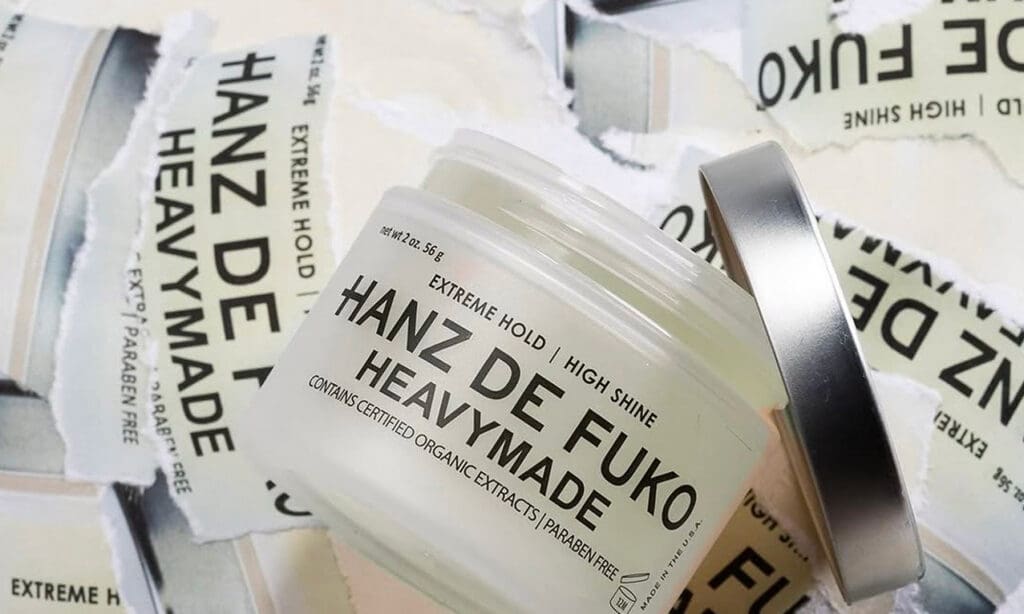
Hanz de Fuko: The Value of Showing Up Before the Sale
Hanz de Fuko had been investing in creator relationships and content before TikTok Shop became a major commerce opportunity. Joybyte’s work brought together 339 influencers and 864 affiliates, connecting broader brand awareness with more conversion-focused creator activity. That existing familiarity helped create a foundation for commerce rather than asking every affiliate video to introduce the brand and close the sale at the same time. The takeaway is that the work you do before someone is ready to purchase still matters when they finally are.
What Stuck With Us
One of the challenges in creator marketing is that we’re often measuring the easiest thing to attribute rather than the full impact of the work.
Influencers and affiliates have different jobs. Influencers are generally paid flat rates to create content, build awareness, and help shape how a brand shows up across channels. TikTok Shop affiliates primarily earn commissions on sales, which makes them particularly effective at testing conversion-focused content and capturing demand. You need to understand what you’re asking each group to accomplish.
If every creator is judged against immediate sales, brands risk undervaluing the work that makes those sales possible in the first place. But the reverse is also true: strong awareness isn’t an excuse to ignore commercial performance. The opportunity is in understanding how the two contribute to the same business.
03. Your Product Doesn’t Have to Be Cool. It Has to Make Sense.
There’s a tendency to assume certain categories are built for TikTok and others aren’t. Beauty, fashion, and lifestyle products seem like obvious fits because people are already creating content around them.
Mosquito control? Not exactly the first category that comes to mind when someone says social commerce. But that’s also what makes it interesting.
A product doesn’t have to be aspirational to be compelling. Sometimes it just needs to solve a problem people recognize immediately. The right creator can make that problem relatable, demonstrate the solution, and give someone a reason to care.
Ortho: Making a Practical Product Worth Watching
Joybyte worked with Ortho to bring mosquito control products into social commerce through creators who could demonstrate their value in everyday situations. A breakout creator helped accelerate activity across the affiliate program, which generated 6,600 assets, 14.5 million video views, and 9,100 units sold. The content worked by connecting the product to a recognizable problem rather than trying to manufacture a cultural moment around mosquito control. It showed that even highly functional categories can find an audience when the product story is clear.

What Stuck With Us
Ortho is the kind of example that should make brands reconsider which products they assume are worth testing.
I wouldn’t look at a category like lawn and garden and immediately assume the opportunity is limited because the products aren’t traditionally considered exciting. I’d want to know whether creators can demonstrate the value in a way that feels natural and whether consumers respond when they see it.
There’s also an important difference between content people enjoy watching and content that helps them make a purchasing decision. Both can have value, but they’re not interchangeable.
When we can see how different demonstrations perform and which ones lead to sales, we’re in a much better position to decide what deserves more investment.
04. The Content That Works Shouldn’t Live in One Department
One of the things I find frustrating about how brands organize marketing is how much useful information gets trapped inside individual teams.
The influencer team knows which creators are connecting with consumers. The affiliate team knows which demonstrations are converting. Paid media has its own performance data. Ecommerce and retail are looking at another set of numbers.
Meanwhile, the consumer is moving between all of those environments without thinking twice about which department gets credit. If a creator finds a way to explain a product that resonates with people, why should that insight stop at TikTok? It might be exactly what the paid team needs, or what the brand should be communicating on Amazon.
Scotts: When Creator Content Had a Bigger Job
Joybyte’s work with Scotts generated more than 100 million influencer impressions and 2,071 affiliate assets. The program also created opportunities to apply creator content and insights across paid media, Amazon, retail, TikTok Shop, and organic social, with some creator assets outperforming traditional brand creative in paid environments. That matters because the value of the work wasn’t limited to the original creator posts. It showed how creator-generated content could help inform decisions well beyond the channel where it started.

Xero Shoes: Different Creators, Different Jobs
Xero Shoes offers another perspective on how creator content can support the purchasing journey. Product education and real-world demonstrations create opportunities for consumers to understand what makes the product different, while influencer and affiliate programs can support awareness and conversion in different ways. The important distinction is that not every creator relationship needs to deliver the same outcome. Brands get more value when they recognize those differences and connect the work.

What Stuck With Us
I think the conversation around creator ROI is still too narrow. Of course we should know what a program generated in sales, how the content performed, and whether the investment made financial sense. But if a creator asset performs better than traditional brand creative, or if a demonstration reveals a more compelling way to explain a product, that learning has value outside the original program.
The problem is that many organizations aren’t structured to capture it. There’s an opportunity for brands to get much more out of the content they’re already paying for, but it requires teams to share what they’re seeing and actually use it. Otherwise, everyone keeps solving the same problems independently.
05. Going Viral Is Great. Now What?
Everyone wants the viral moment. The video that takes off, the product that suddenly becomes part of a cultural conversation, the sales spike that gets the whole company excited.
But there’s a side of that success we don’t talk about enough. What happens when demand moves faster than your operations? When more creators want to participate, when inventory becomes a concern, or when the conversation that made the product relevant starts to move on? Getting attention is one challenge. Being ready for it is another.
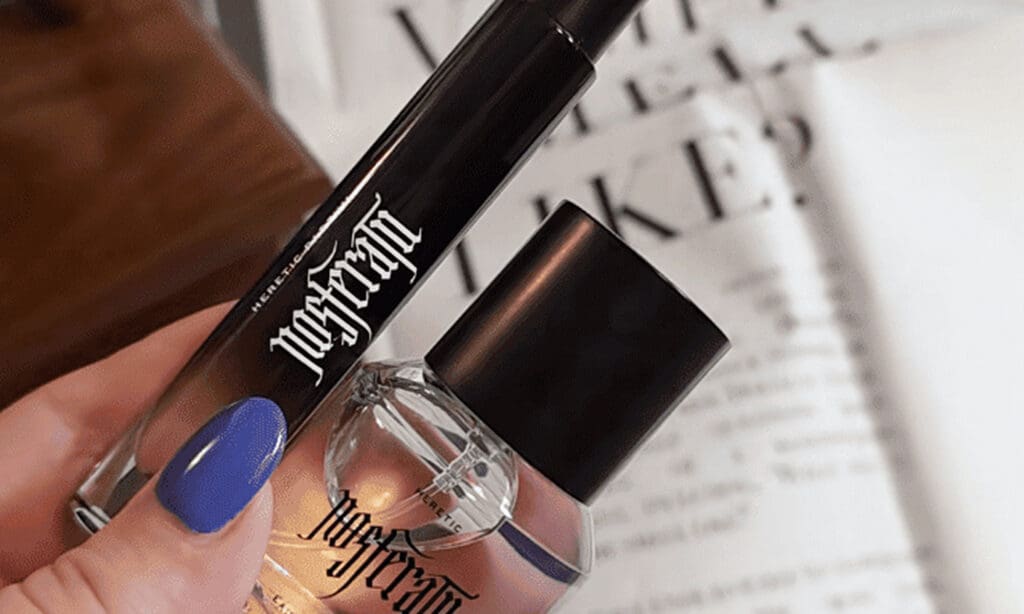
Heretic: Keeping the Momentum Going
Heretic’s Nosferatu fragrance captured attention through its connection to gothic beauty and dark luxury, creating an opportunity to extend that interest through creator-led commerce. Joybyte expanded affiliate participation and content activity around the product, generating approximately 3,000 assets, 18 million video views, and more than 10,000 units sold. The program demonstrated how a cultural moment can support broader creator participation and continued product discovery. It also underscored the importance of having the operational capacity to support growing demand.
What Stuck With Us
Heretic is a good reminder that a great creative idea and a successful commerce program are not the same thing.
Creator communication, product availability, fulfillment, and the ability to keep generating relevant content all matter once attention starts building. Those aren’t the most glamorous parts of creator marketing, but they’re often the difference between capitalizing on momentum and watching it disappear.
There’s also the question of what happens after the original cultural moment. You can’t assume consumers will stay interested simply because something went viral once. You have to understand what made the product resonate and find credible ways to keep that conversation going.
I don’t think the goal should be to engineer a viral moment and call it a strategy. The goal should be to build a business that’s ready when an opportunity appears.
What We’d Do Differently
When we look at the work across 2026, the biggest lessons aren’t all tied to a particular client or campaign. They’re about the decisions that determine whether a promising idea actually becomes a meaningful business result.
The first is that we need to be more selective about what we scale. It’s easy to get excited about creator counts, content volume, or a breakout video, but those numbers don’t automatically tell us whether the program is getting stronger. A large affiliate roster doesn’t mean much if creators aren’t active, and hundreds of assets aren’t particularly useful if nobody is identifying what the content is teaching us.
We also have to be realistic about the work required to support creators. Recruitment is only the beginning. Sampling, onboarding, incentives, communication, and ongoing relationships determine whether people actually participate and continue creating. Those details can have as much influence on performance as the original creative strategy.
Another lesson is that growth can expose problems quickly. A product can gain attention before the brand is prepared for the demand, and paid media can amplify an opportunity before the underlying economics or operations are ready. Scaling should be a decision based on evidence, not simply a reaction to momentum.
And finally, we need to get better at recognizing the value that doesn’t show up in a single dashboard. A new audience insight, a stronger product demonstration, or a piece of content that informs another channel may be more useful to the business than a high-performing post that can’t be repeated.
None of this means being less ambitious. It means being more disciplined about where ambition is directed. For us, the question coming out of 2026 is less about how much more creator activity we can generate and more about how much better we can get at recognizing and acting on what the work is telling us.
Five Things I’d Challenge Brands to Rethink for 2027
I don’t think brands need another list of marketing trends telling them to invest in creators, experiment with AI, or take TikTok Shop more seriously. Those conversations are already happening. What I think deserves more attention is how brands make decisions once they have all of this content, consumer feedback, and performance information in front of them.
1. Stop Treating the Creative Brief Like the Final Answer
A brief should provide direction, but it shouldn’t prevent a creator from finding a more relevant way to tell the story. Levoit is a reminder that consumers can connect with a product for reasons the brand didn’t initially anticipate.
Give creators room to interpret the product, and make sure someone is paying attention when an unexpected angle starts working.
2. Stop Writing Off Categories That Don’t Look Like TikTok Products
Ortho showed why assumptions about category fit can be limiting. Consumers don’t need to think a product is cool to understand why it’s useful.
If the product solves a recognizable problem and a creator can demonstrate that value clearly, it’s worth considering. Let consumer response inform the decision instead of relying entirely on what the category looks like on paper.
3. Don’t Confuse Attention With Readiness to Scale
Heretic illustrates the opportunity that can come from cultural momentum, but the operational requirements matter just as much as the content.
Before increasing investment, brands should understand what’s driving the response, whether the product economics support growth, and whether inventory, fulfillment, and creator operations can keep up.
4. Give Creator Investment Credit for More Than the Last Click
Hanz de Fuko and Scotts show two different ways creator investment can contribute beyond a directly attributed transaction. One is the familiarity that develops before purchase. The other is the creative and consumer intelligence that can improve performance across channels.
Brands still need accountability and measurable outcomes, but they should be careful not to overlook value simply because it doesn’t fit neatly into one platform’s reporting.
5. Make Sure the Learning Actually Changes Something
This is probably the one I’d push hardest. Brands have access to an enormous amount of content and performance data. The issue isn’t a lack of information. It’s whether anyone is turning that information into better creative decisions, stronger product messaging, or smarter investment.
If the same assumptions keep showing up in every brief despite what the market is telling you, the problem isn’t the creator program. It’s what happens after the results come in.
Conclusion: What 2026 Actually Taught Us
I don’t think the biggest story of 2026 is that brands are working with more creators or that social commerce is becoming more important. Those shifts have been happening for a while.
What stood out to us was how often the most useful opportunities came from something we couldn’t have fully planned in advance.
Levoit found an unexpected cultural connection. Ortho showed that a practical product could become a compelling commerce story. Hanz de Fuko demonstrated the value of familiarity built over time. Scotts showed how creator content could influence decisions beyond the original channel, while Heretic illustrated both the opportunity and complexity that come with cultural momentum.
None of these examples suggests that brands should abandon strategy and simply let the market decide everything. If anything, they show why strong strategy matters. You need a clear point of view, a willingness to test it, and the judgment to recognize when the evidence is telling you to adjust.
As we look toward 2027, I think that’s where the real advantage will come from. Not who activates the most creators, produces the most content, or generates the biggest moment, but who gets better at understanding why something worked and making the next decision smarter because of it.
2026 was the year growth became creator-led. The question for 2027 is what brands are actually going to do with everything they’ve learned.
The brands that will win in 2027 won’t be the ones chasing the next viral moment. They’ll be the ones building systems that turn creator content, consumer behavior, and real-world insights into smarter decisions and sustained growth. That’s the shift we’re helping brands make at Joybyte: moving beyond one-off campaigns to creator-led growth strategies that continuously learn, adapt, and drive measurable impact across channels.
If you’re ready to rethink how creators contribute to your growth in 2027, let’s talk. We’d love to help you turn what your audience is telling you into your next competitive advantage.