Fashion has always been a language. What we wear, carry, collect, and display communicates something about who we are—or who we want other people to understand us to be. Sometimes that message is about taste, belonging, or individuality. Sometimes it is simply about status.
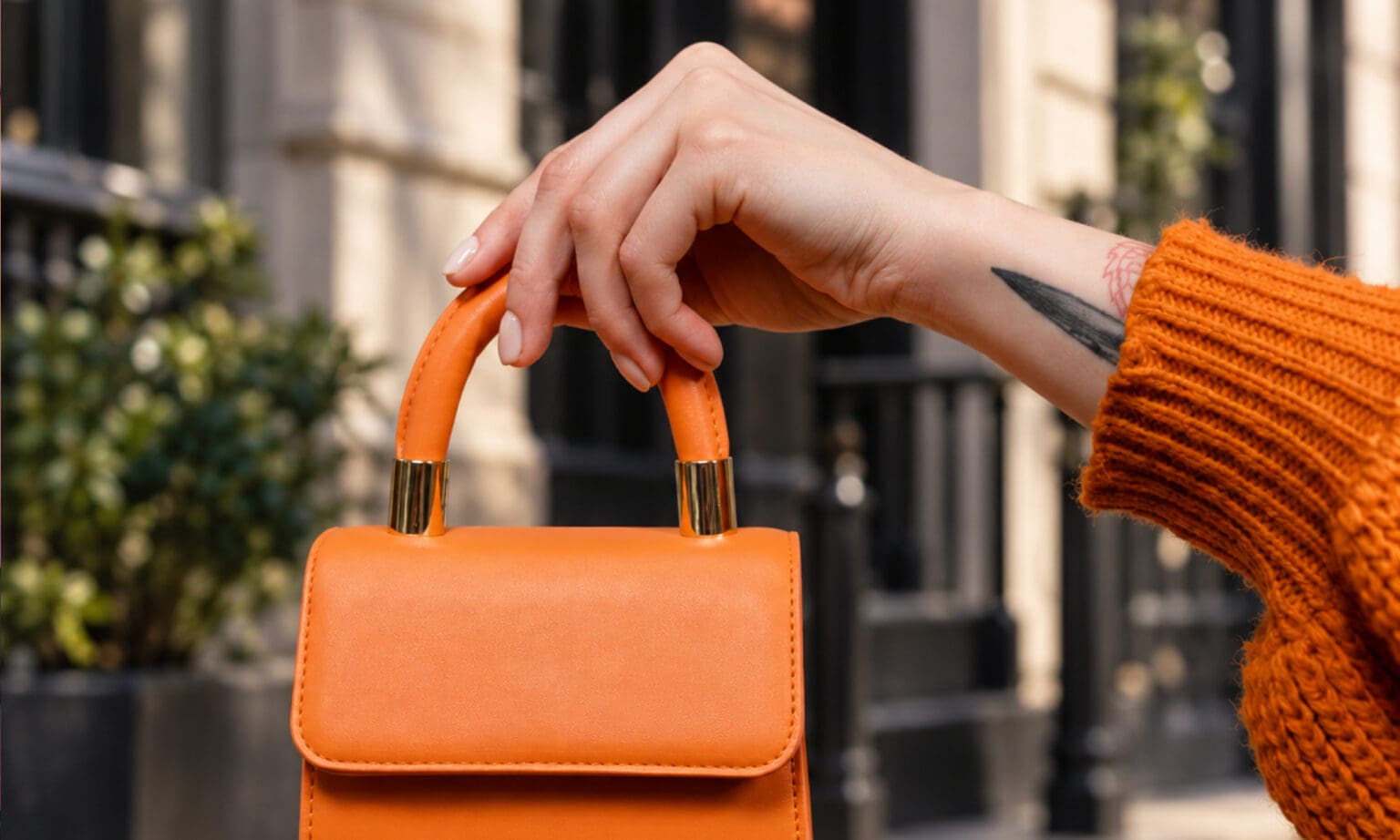
That is what makes the rise and decline of the tiny luxury bag more interesting than a story about changing handbag sizes. For a period, the tiny bag was everywhere. Its impracticality was almost beside the point. These bags were highly visible, immediately recognizable, and capable of communicating taste and participation in a particular fashion moment without saying a word. Then the silhouette became familiar, and in fashion, familiarity can change the value of a signal.
The Tiny Bag Was Never Just About the Bag
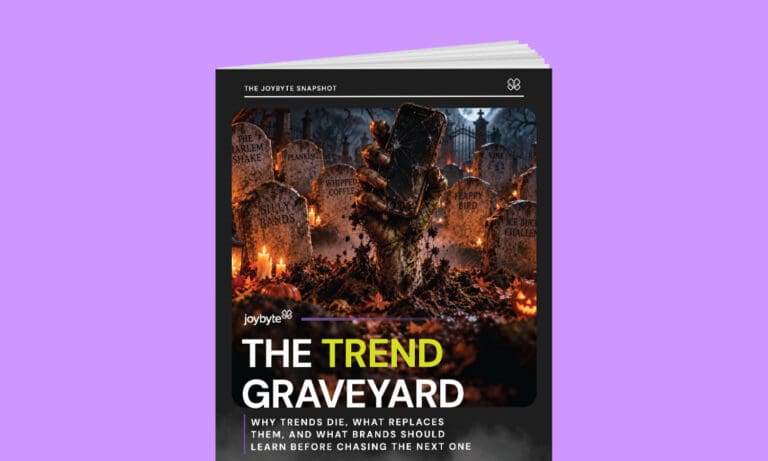
As we explore in Joybyte’s The Trend Graveyard, tiny luxury bags worked because fashion is functional communication. A bag may have a practical purpose, but its cultural role can be much bigger. Tiny bags became visible signals of taste, status, and self-expression, and their size arguably made that symbolic role even clearer. When utility is minimized, what the object communicates becomes difficult to miss.
But status symbols rely, at least partly, on distinction. Once a particular silhouette becomes widely recognized and adopted, its ability to communicate that distinction begins to change. The product can still be desirable and culturally visible, but it may no longer say exactly what it used to say.
When Everyone Recognizes the Symbol, Its Meaning Changes
That tension is particularly important for the fashion industry because success can create the conditions for replacement. A distinctive product gets noticed, creators and early adopters increase its visibility, more consumers participate, brands respond, and the look spreads. Eventually, something that once felt novel becomes instantly recognizable.
The Trend Graveyard describes this progression as discovery, participation, scale, saturation, and replacement. Oversaturation, loss of exclusivity, and recognizability becoming cliché can all create pressure for consumers to find a new way to express the same underlying motivation.
The important point isn’t that consumers suddenly stop caring about status when a particular status symbol loses relevance. They find another way to communicate it. In the case of tiny luxury bags, consumers moved toward products that could offer more utility while still delivering expression, while the tiny format itself continued to show up in new forms like charms and keychains. The silhouette changed, but the motivations around status and self-expression remained.
Status Finds a New Symbol
This is what Joybyte calls the Replacement Effect. Cultural expressions can become saturated, commercialized, or overly familiar while the human need underneath them persists. Culture rarely moves from something to nothing; it moves from one expression of a need to another.
For fashion brands, that creates a much more useful way to think about trend cycles. Instead of simply asking what product will replace the tiny bag, brands can ask how consumers are beginning to express status, identity, and taste differently—and what emerging behaviors might be evidence of that shift.
This distinction matters because fashion is particularly susceptible to trend chasing. Change is highly visible: silhouettes shift, colors appear everywhere, styling behaviors spread, and one accessory can suddenly become unavoidable. Those movements matter, but they are the surface layer. The bigger strategic opportunity is understanding the role a trend is playing for the person participating in it.
A product might help someone demonstrate taste, signal membership in a community, differentiate themselves, participate in an aesthetic, or personalize something widely owned. Those motivations can last far longer than any individual product or aesthetic. When brands understand the motivation instead of only the manifestation, they have a better chance of following consumer behavior forward rather than arriving after the next symbol has already become obvious.
Creators Can Show You Where Taste Is Moving
Creators can play an important role in identifying that movement. They don’t just distribute fashion trends; collectively, they provide a window into how taste is evolving in real time.
Across enough creator activity, brands can begin seeing which products are unexpectedly styled together, which details audiences repeatedly ask about, which aesthetics are being imitated, what starts becoming a joke, and where established conventions are beginning to change. Those behaviors can become signals that the meaning attached to a product or aesthetic is shifting before that shift becomes a fully formed mainstream trend.
For fashion brands, that changes the role creators can play in the growth system. The question becomes bigger than, “Who can make this product visible?” Creators can also help answer, “What is changing about the way consumers express themselves, and what should we learn from it?”
That does not mean trying to predict the next tiny bag with perfect accuracy. It means creating enough proximity to consumers that the brand can recognize when motivations like status, identity, belonging, and self-expression begin taking new forms.
The Opportunity Isn’t Predicting the Next Tiny Bag
The tiny luxury bag is only one example of a much bigger pattern. Fashion will continue creating and replacing symbols of taste, identity, belonging, and status. Some will become enormous cultural moments; others will disappear before traditional trend reports have time to name them.
For fashion brands, the goal shouldn’t be getting better at chasing every new aesthetic. It should be getting better at learning from the movement between them. What made consumers care? What did participation communicate? What changed when the behavior became mainstream? And where is that same motivation beginning to appear now?
The brands with an advantage will not necessarily be the ones that correctly predict every next product. They will be the ones that understand why consumers cared about the last one and have systems in place to recognize where that motivation is beginning to show up next.
Because status never dies. Its symbols do.
Dig Deeper Into The Trend Graveyard
The tiny bag is only one grave in The Trend Graveyard. The full report looks beyond what was popular to examine why it mattered, why it faded, and what survived after the trend moved on. Joybyte breaks down Tiny Luxury Bags alongside VSCO Girl, Cottagecore, Whipped Coffee, and BeReal, introduces the Replacement Effect, and explores how creator and audience signals can help brands better understand where culture is moving.
Download The Trend Graveyard to stop chasing yesterday’s symbols and start recognizing the human needs shaping what comes next.