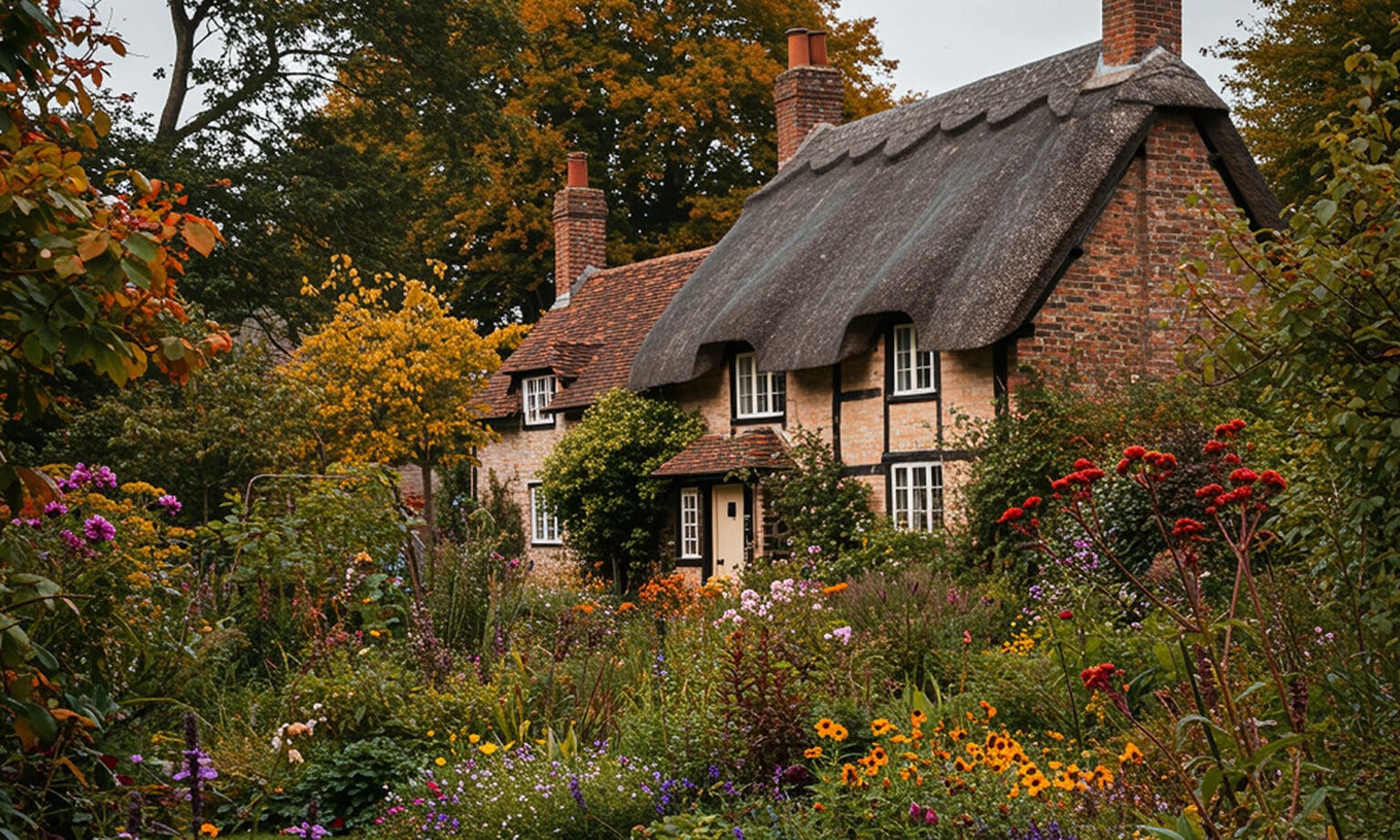
For a while, cottagecore was impossible to miss. Feeds filled with wildflowers, linen dresses, sourdough starters, vegetable gardens, vintage ceramics, and romanticized images of life somewhere quieter and greener. It looked like an aesthetic trend, but its timing tells us there was something more important happening underneath it. Cottagecore surged during COVID lockdowns, when everyday life felt uncertain, constrained, and overwhelmingly digital. The fantasy of a slower, simpler existence offered an escape from that reality.
Eventually, the world reopened and cottagecore stopped carrying the same cultural weight. But consumers didn’t suddenly lose interest in making their homes feel comforting, personal, nostalgic, or removed from the intensity of modern life. The highly recognizable cottagecore aesthetic faded while the emotional desire underneath it continued to show up in new forms. For home and garden brands, that’s the more interesting story: cottagecore may be dead as a dominant aesthetic, but the fantasy it sold is everywhere.
Cottagecore Was Selling Escape, Not Florals
It would be easy to reduce cottagecore to its visual codes: florals, baking, gardening, vintage furniture, long dresses, pastoral landscapes, and a highly romanticized version of rural living. But those elements were expressions of the trend rather than the reason it resonated.
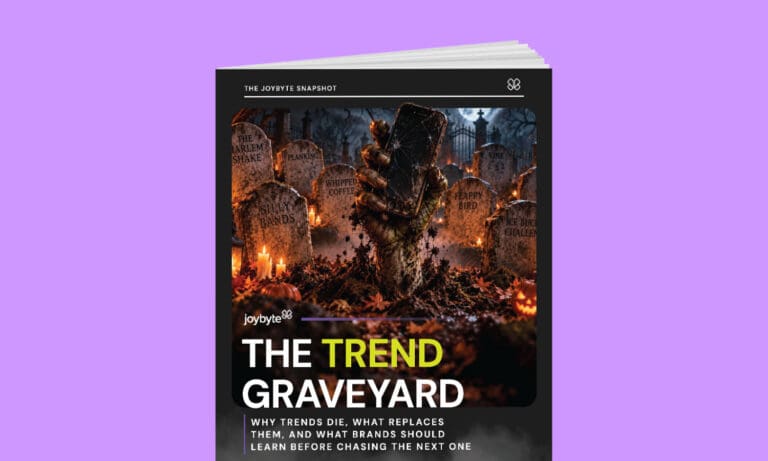
As The Trend Graveyard explores, the deeper human need behind cottagecore was escape. During lockdowns, the aesthetic offered a shared fantasy of simplicity at precisely the moment when everyday life felt anything but simple. Baking bread or tending to a garden could become more than an activity; it could participate in an imagined lifestyle that felt slower, calmer, and more controllable.
That distinction matters enormously for home and garden brands. If you interpret cottagecore as a visual trend, its decline tells you to move on from the look. If you interpret it as evidence of what consumers were seeking emotionally, its decline gives you a much more useful question: Where is the desire for escape showing up now?
The Cultural Moment Changed. The Need Didn’t.
Cottagecore didn’t necessarily decline because consumers decided they disliked everything associated with it. The cultural context that made its fantasy especially powerful changed. As the world reopened, the emotional job cottagecore had been performing became less urgent, and the collective aesthetic began giving way to more individualized vintage and personal expressions.
This is a critical distinction for home and garden brands because the category is deeply connected to emotional needs. Consumers aren’t simply choosing paint colors, furniture, cookware, plants, or décor. They’re creating environments that can communicate identity and influence how home feels.
A cultural shift doesn’t necessarily eliminate those motivations. It can change how people satisfy them. The fantasy of abandoning modern life for an idyllic cottage may fade, while the desire to make home feel more comforting, personal, tactile, nostalgic, or restorative continues.
That means the end of an aesthetic doesn’t necessarily mean the end of the opportunity.
When an Aesthetic Becomes a Costume
There is a built-in contradiction at the center of trend culture: the more successful an aesthetic becomes, the easier it becomes to recognize and reproduce. Early adoption creates novelty. Creators accelerate participation. Platforms distribute the aesthetic. Brands enter. Eventually, the elements become so familiar that almost anyone can assemble the look.
The Trend Graveyard describes the broader cycle as discovery → participation → scale → saturation → replacement. Near the end of that cycle, oversaturation and recognizability can turn what once felt distinctive into something that feels formulaic.
Home and garden is particularly vulnerable to this dynamic because aesthetic trends are easy to merchandise. Once a look becomes commercially legible, brands can quickly reproduce its colors, materials, motifs, and styling conventions. But by the time every assortment, mood board, social post, and seasonal collection starts speaking the same visual language, consumers may already be personalizing the idea into something new.
The problem isn’t that brands participated. It’s that copying the aesthetic without understanding the emotional job behind it gives the brand nowhere to go when the aesthetic changes.
The Fantasy Can Survive Without the Cottage
Joybyte’s Replacement Effect offers a different way to understand what happens next. Trends rarely disappear into nothing. Instead, the underlying motivation can migrate into a new aesthetic, product, ritual, or behavior. The expression changes while the need survives.
For home and garden brands, this creates a more useful way to think about trend evolution. The goal isn’t to identify a single aesthetic that has officially “replaced” cottagecore. The Trend Graveyard doesn’t make that claim. Instead, it points to more individualized vintage and personal aesthetics emerging as the collective cottagecore identity weakened.
That movement itself is the signal. Consumers can carry forward pieces of the original motivation without carrying forward the entire aesthetic. The opportunity for brands is to follow the emotional need rather than waiting for someone to name the next decorating trend.
Instead of asking, “What comes after cottagecore?” a home or garden brand can ask, “How are consumers creating escape now?”
That question can unlock very different thinking about products, content, merchandising, creator partnerships, and innovation.
Creators Can Show You How the Home Is Changing
Home trends don’t emerge only in professionally styled rooms or annual trend forecasts. They’re being created and remixed continuously through the way people actually live.
Creators give brands proximity to that behavior. Across a broad enough creator ecosystem, brands can observe which objects repeatedly appear together, what people are making or restoring themselves, which rooms receive new attention, what audiences ask about, which aesthetic conventions begin feeling tired, and how people describe the feeling they want their spaces to create.
Those recurring behaviors are more useful than a single viral room makeover because they can reveal why something is resonating. The Trend Graveyard positions creators as early-warning signals for exactly this reason: collectively, creator content and audience response can surface repeating language, questions, products, frustrations, and behaviors as they move from smaller communities toward broader adoption.
For home and garden brands, creators therefore shouldn’t only be used to demonstrate the season’s predetermined aesthetic. They can help brands discover how consumers are interpreting comfort, escape, identity, and home before those behaviors get flattened into the next named trend.
Don’t Look for the Next Cottagecore
The temptation after a major aesthetic fades is to search for its replacement. What’s the next cottagecore? What’s the next color? What’s the next room everyone will renovate? What’s the next visual language brands need to adopt?
But trying to perfectly predict the next aesthetic misses the bigger opportunity. The strongest signal cottagecore left behind wasn’t a checklist of design elements. It was evidence that consumers were using their environments to satisfy an emotional need. During a particular cultural moment, that need took the form of an idealized, pastoral version of simplicity and escape. As the context changed, its expression began changing too.
For home and garden brands, the opportunity is to build a system that can keep learning as those expressions evolve. That means observing creators and communities continuously, looking for recurring behaviors rather than isolated viral moments, testing different expressions, and feeding what the market teaches you back into creative, product, commerce, and future creator programs. That’s how a brand moves from chasing home trends to understanding what people increasingly want their homes to do for them.
Cottagecore may no longer define the cultural conversation the way it once did. But the desire that helped make it powerful didn’t disappear with the aesthetic. The cottage was the expression. Escape was the need. And the fantasy is still finding new places to live.
Dig Deeper Into The Trend Graveyard
Cottagecore is only one example of what happens when a cultural expression fades but the human need underneath it survives. In The Trend Graveyard, Joybyte breaks down Cottagecore alongside VSCO Girl, Whipped Coffee, BeReal, and Tiny Luxury Bags to explore why trends die, what replaces them, and how brands can identify the signals that matter before the next trend becomes obvious.
Download The Trend Graveyard to learn how to look beyond the aesthetic, understand the human need underneath it, and build a system for seeing where consumer behavior may be moving next.