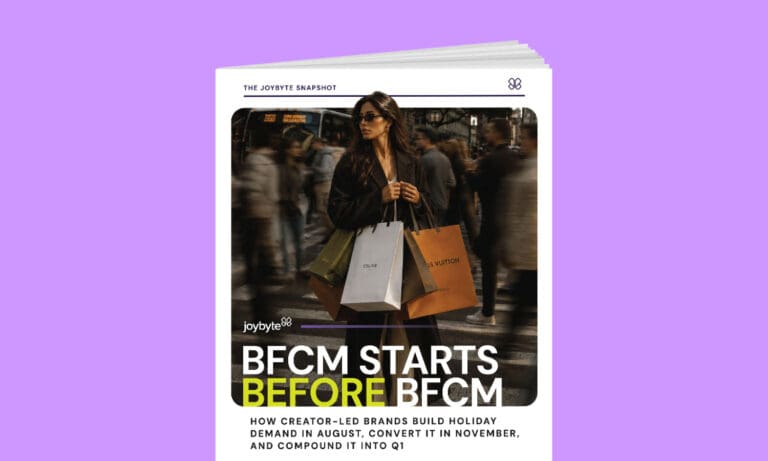
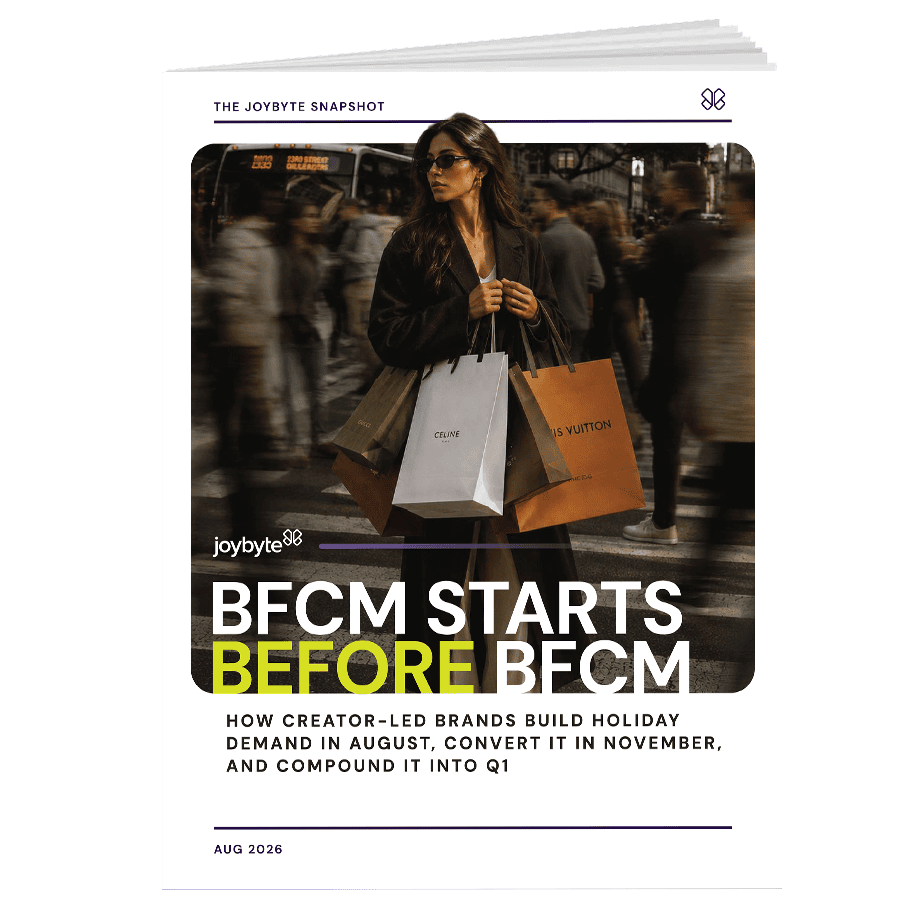
BFCM Starts Before BFCM
Key Insights From The White Paper:
 Why BFCM should be treated as a four-month demand system—not a promotional weekendWhy creator activation should begin in August and SeptemberHow brands can use October to identify winning creators, hooks, products, and contentWhy familiarity and trust need to exist before the discount appearsHow to build a library of creator-vetted creative before media costs peakWhy TikTok Shop eligibility and operational health must be built well before NovemberHow affiliates, influencers, organic social, paid media, and TikTok Shop play different roles during BFCMWhy paid should amplify validated content instead of discovering the message during peak seasonHow organic social earns attention when every brand is shouting the same promotionHow to turn BFCM performance into an always-on creator and commerce engine for Q1
The Old BFCM Calendar Is Broken.
What You’ll Learn
 How to build holiday demand before promotional pressure peaksWhy August and September matter for creator relationshipsHow to test product narratives without over-promoting BFCMWhich signals to look for before scaling creativeHow to identify hero SKUs before Black FridayWhy content usage rights need to be secured earlyHow TikTok Shop campaign eligibility affects holiday visibilityHow creators, affiliates, LIVEs, organic social, and paid work together during peakWhich metrics matter beyond immediate revenueHow to retain winning creators and content into Q1
BFCM Is A Four-Month Demand System
The brands that win Black Friday don’t start in November. They start months earlier, building the creator relationships, product familiarity, audience trust, and operational readiness that make the promotion convert when it arrives. Joybyte’s BFCM framework breaks that system into four stages: PRIME → PROVE → PEAK → PERSIST. Prime the market in August and September, prove what works in October, scale validated demand during BFCM, and persist into Q1 so the learning and momentum don’t disappear when the promotion ends.
Build Creator Relationships Before You Need The Reach
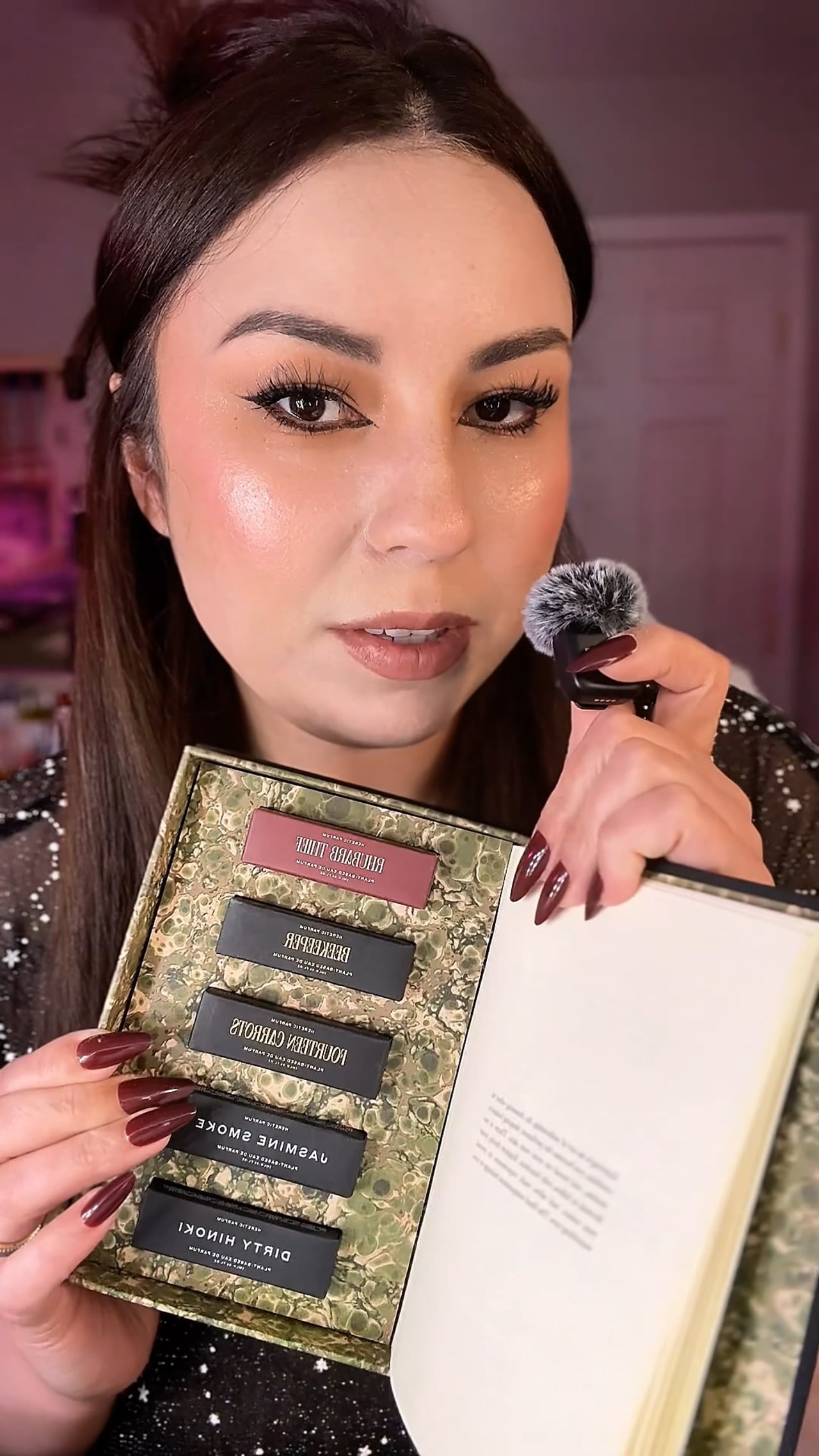
As BFCM approaches, creator calendars fill, rates increase, and brands compete for the same high-performing talent. Starting in August or September gives creators time to actually experience the product, find the use cases that resonate with their audience, answer questions, overcome objections, and introduce the brand without immediately asking for a sale. By the time the offer arrives, the audience isn’t meeting the product for the first time. Familiarity has already started doing the work.
Use October To Prove What Deserves To Scale
Pre-promotion isn’t about publishing “BFCM is coming” content for six weeks. It’s about learning. October should reveal which creators make the product believable, which hooks earn attention, which use cases create confidence, which objections keep appearing, and which products have the potential to become hero SKUs. The goal is to enter the most expensive media period of the year with a library of creator-vetted, performance-tested content—not a folder of creative assumptions.
Let Paid Amplify Evidence, Not Guesswork
BFCM is the wrong time to ask paid media to figure out what people want. Creator and organic activity should do that work first. Watch time, comments, saves, clicks, add-to-cart behavior, and organic conversions reveal which content has earned the right to scale. Paid can then increase the distribution of those validated signals rather than spending peak-season dollars trying to manufacture demand from an unproven message.
Prepare TikTok Shop Before The Traffic Arrives
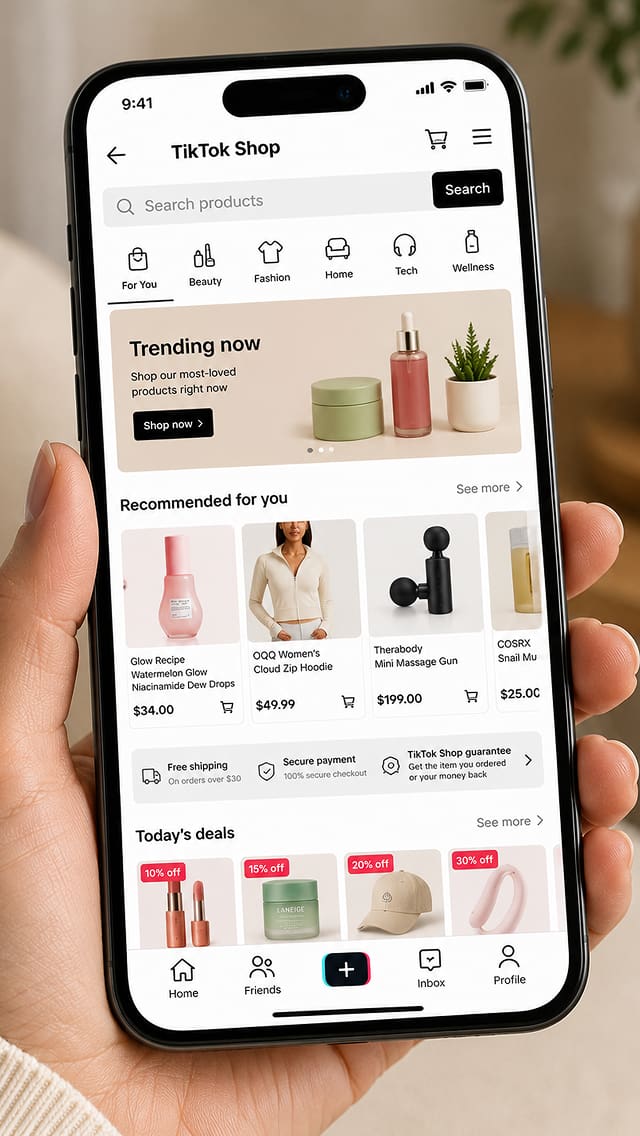
TikTok Shop isn’t something brands can bolt onto their BFCM strategy at the last minute. Shop health, fulfillment performance, inventory, campaign enrollment, promotional pricing, affiliate activity, and shoppable content all influence how prepared a brand is to capture holiday demand. Starting early gives the shop time to move through its cold-start period, build operational credibility, generate creator activity, and qualify for the platform opportunities that matter when shopping volume peaks.
Give Affiliates And Influencers Different Jobs
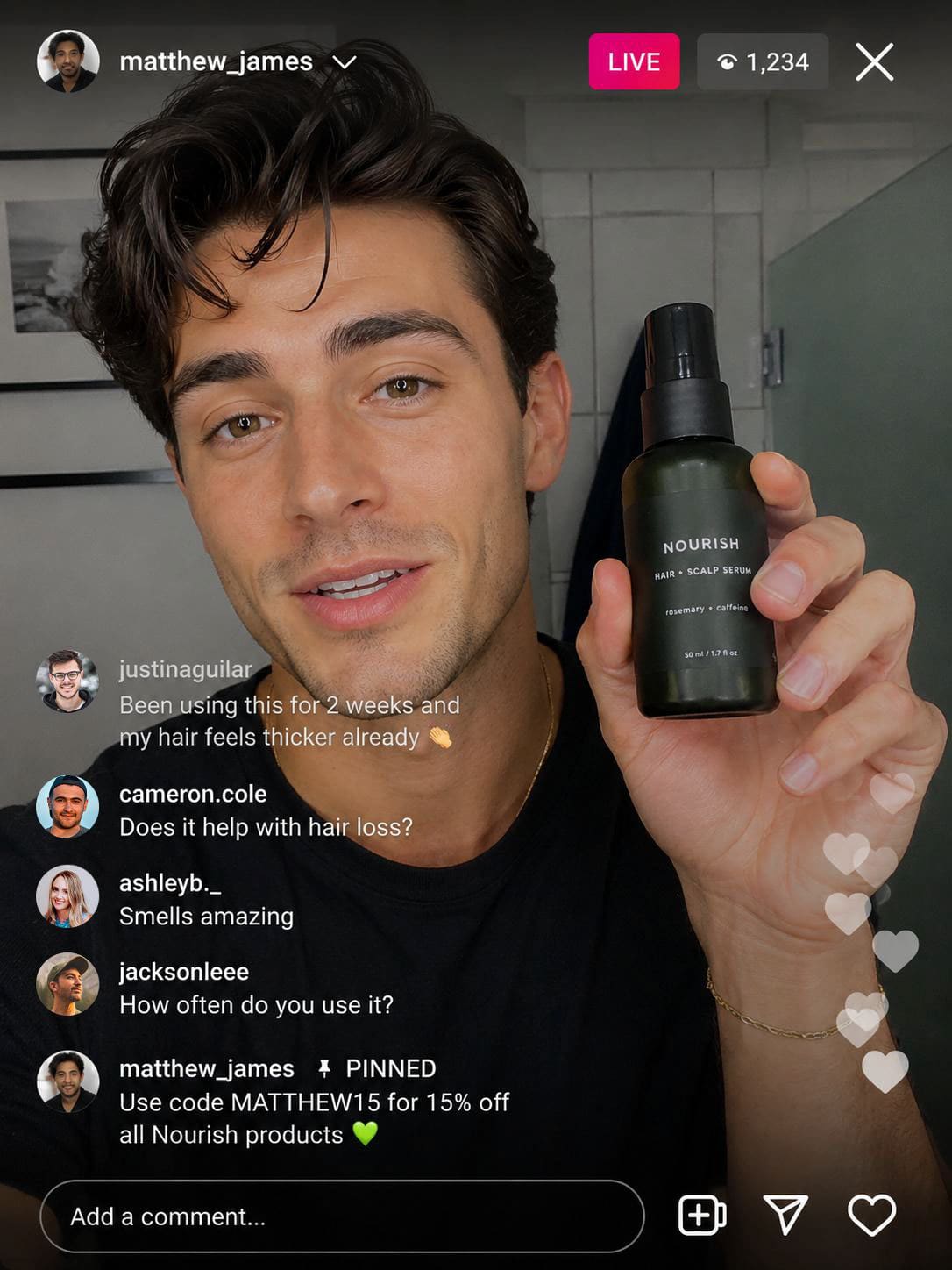
A strong BFCM creator system uses both—but for different reasons. TikTok Shop affiliates are the performance engine: they generate content volume, test selling angles, create conversion signals, and capture demand through commission-driven content. Influencers provide greater control: they support deeper storytelling, planned brand narratives, premium content, usage rights, and cross-channel amplification. Affiliates create signal density at scale; influencers layer in control and broader brand-building value.
Make The Promotion Worth Paying Attention To
During BFCM, discount messaging is everywhere. “Biggest sale,” “lowest price,” and “ends soon” stop being differentiators when every brand is saying them. Organic social has to do more than announce the offer—it has to make the moment entertaining and participatory. The brands that break through BFCM won’t be the ones repeating the offer the loudest. They’ll create reasons to stay engaged as the sale unfolds—letting audiences influence what happens next, giving creators a role in driving the action, and turning social into a live experience people want to follow.
Measure What BFCM Teaches You
Revenue is only one output of a successful BFCM system. The period also reveals which language resonates, which creators build trust, which products create velocity, which objections need to be solved, and which content can continue working across paid, organic, product pages, Amazon, DTC, and future creator briefs. The best BFCM content doesn’t just produce a sale. It improves the system’s next decision.
Turn November’s Momentum Into Q1 Growth
Cyber Monday shouldn’t trigger a reset. Within days, brands should identify which creators, assets, offers, and products deserve to be scaled, developed, or retired. Winning creators can become longer-term partners, proven content can be redeployed across channels, and messaging can shift from holiday urgency toward routines, replenishment, resolutions, education, and everyday utility. The objective isn’t simply to have a successful BFCM. It’s to enter Q1 with more trust, more proven creative, stronger creator relationships, and a smarter growth system than you had before it.
Download The Free White Paper
FAQs
When should brands start planning for Black Friday and Cyber Monday?
Joybyte recommends treating BFCM as a four-month demand system beginning in August. Early planning gives brands time to build creator relationships, generate content, identify winning messages, prepare TikTok Shop, and validate demand before promotional competition peaks.
Why should creators start posting before BFCM?
Creators need time to build product familiarity and audience trust. Early content also gives brands real signals about which creators, hooks, use cases, objections, and products resonate before they invest heavily in paid amplification.
Should brands start promoting Black Friday in August?
No. Starting early does not mean running six weeks of sale teasers. The pre-BFCM period should primarily build product familiarity, test narratives, generate creative evidence, and identify what deserves to scale when the promotion begins.
What role does TikTok Shop play during BFCM?
TikTok Shop acts as both a commerce and validation layer. A strong holiday program requires shop health, promotional eligibility, reliable fulfillment, competitive offers, affiliates, shoppable creative, inventory, and participation in appropriate TikTok Shop campaigns.
What is the difference between influencers and TikTok Shop affiliates during BFCM?
Influencers are primarily flat-rate, omnichannel creators used for controlled storytelling, content production, distribution, and amplification. TikTok Shop affiliates are primarily commission-based creators focused on performance and conversion. Affiliates generate scale and demand signals; influencers add control and broader brand value.
What should paid media do during BFCM?
Paid should scale creative that has already demonstrated strong audience response through creator and organic activity. BFCM is too expensive a period to rely on paid media to discover which message works.
How should brands measure BFCM success?
Revenue and conversions matter, but brands should also evaluate attention, intent, trust, creative learning, creator performance, hero-SKU velocity, reusable content, and the downstream impact on DTC, Amazon, retail, and other channels.
What happens after Cyber Monday?
The strongest brands retain top creators, reuse winning content, continue TikTok Shop activity, shift messaging from urgency to everyday value, and turn BFCM learnings into their Q1 creator and commerce strategy.